

Noliflore Aqua
Water quality and intestinal microbiota management

Diseases represent a major problem in aquaculture, to such a degree that they significantly hinder its economic development in many countries. The development of disease in aquatic animals results from the interaction between pathogens, hosts, and the environment. Numerous studies have shown that water treatments can indirectly influence the bacterial communities in the environment, on the skin, in the gills, and in the gastrointestinal tract — known as microbiomes — of aquatic animals.
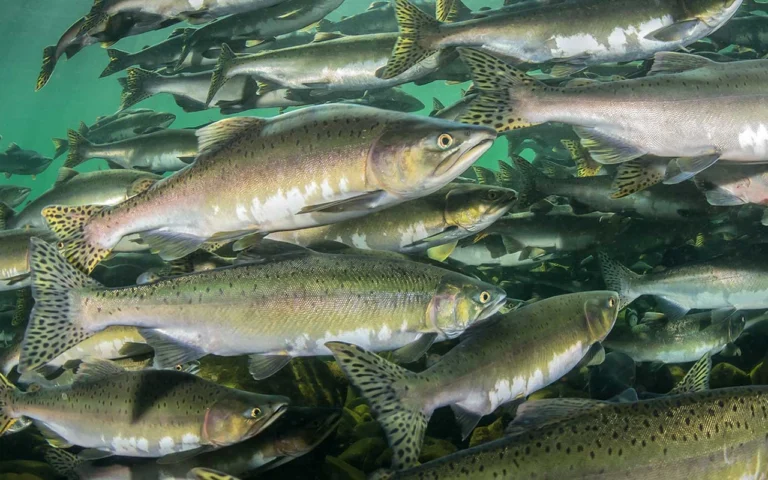
These microorganisms play a vital role in fish development, immunity, digestion, and nutrition. Conversely, certain harmful bacteria can have detrimental effects.
An imbalance in the commensal microbiome (dysbiosis) can make aquatic animals more susceptible to infections. The gastrointestinal tract, as well as the skin, gills, and changes in the water environment, are the primary entry points for pathogenic microorganisms in aquatic animals.
Species of the bacterial genus Bacillus spp., which are spore-forming bacteria, are resistant to extreme physical and chemical conditions. They possess unique physiological characteristics that enable them to survive in a variety of environments, including freshwater, marine sediments, deserts, hot springs, Arctic soils, and the gastrointestinal tracts of fish and shrimp.
The use of Bacillus spp. The use of these bacteria as probiotics in feed or for biocontrol in aquaculture water is very promising for sustainable aquaculture. These bacteria can help maintain optimal water quality, reduce stress, improve immunological and physiological balance, promote better growth, and increase the survival rate of aquatic animals.
Adding a microbial solution containing selected strains of Bacillus spp. directly to the rearing water modulates the structure of the overall microbiota and helps prevent mortality or declines in zootechnical performance during a pathogen challenge (pathogenic bacteria, fungi, or viruses). The solution helps reduce the susceptibility of aquatic animals during their early life stages, when they are exposed to environmental changes, and under high pathogenic pressure.
Product availability and regulatory requirements may vary by country. Please consult the relevant local regulations.